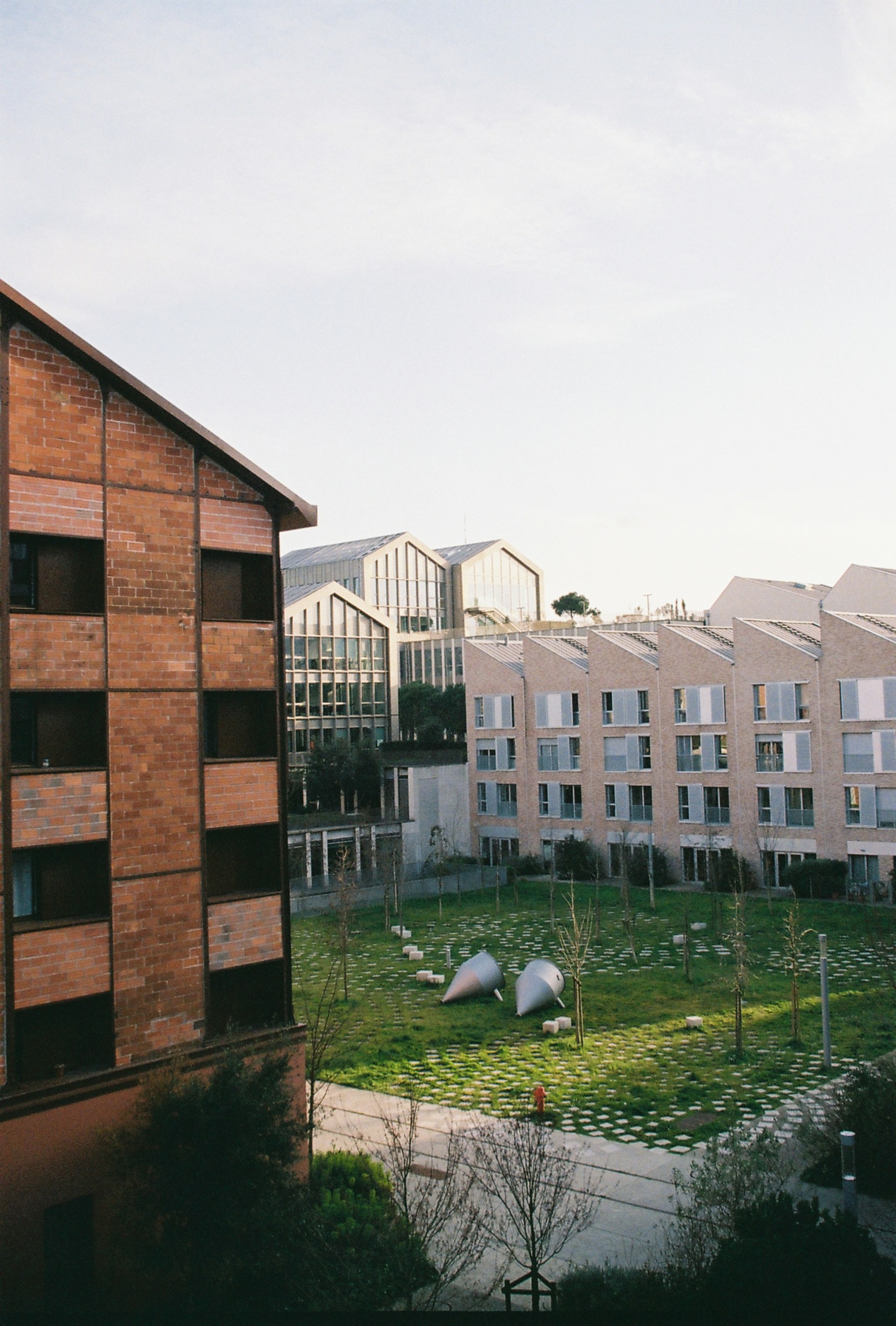
Fragmented
Events, meeting points and support offers are spread across flyers, websites, social media and personal networks.
Neighbourhood activation
Close makes offers, places and people in the neighbourhood visible and lowers the threshold to actually show up. For residents. For local partners. And for municipalities, housing providers and social organisations that want to make participation visible and effective.
Public interest oriented · Ad free · Data minimal · GDPR compliant
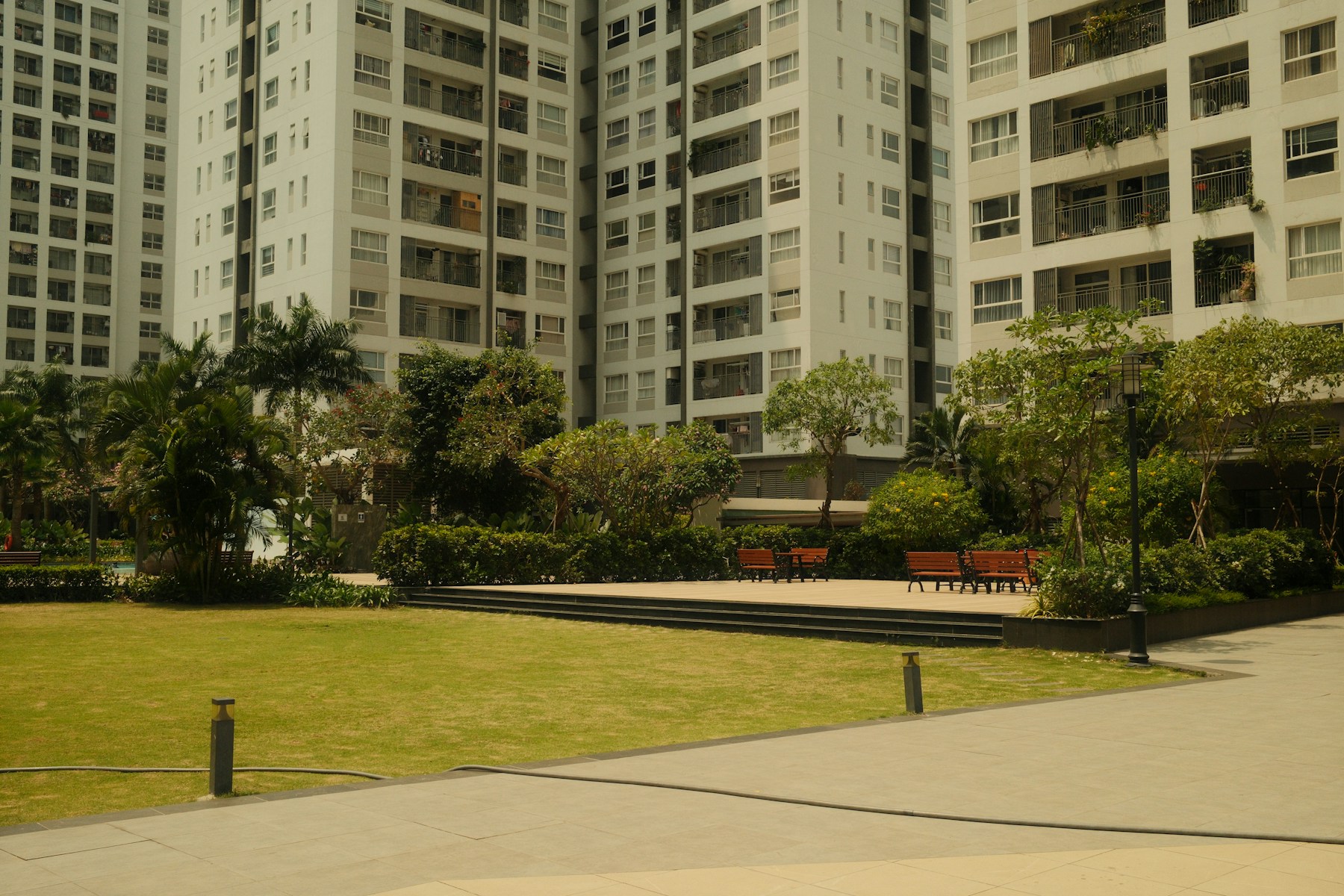
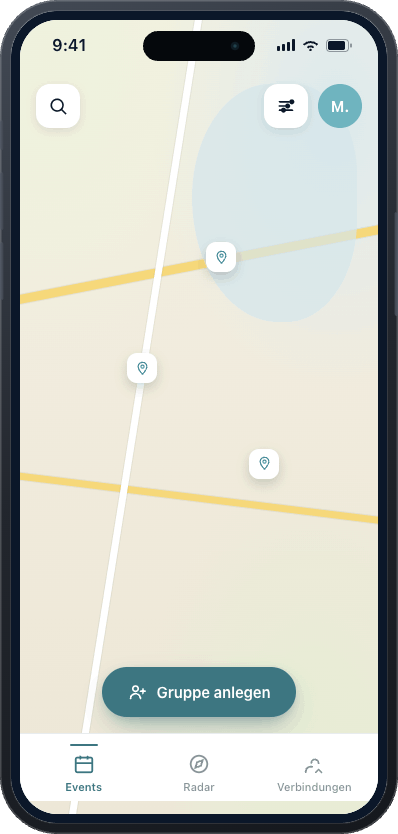
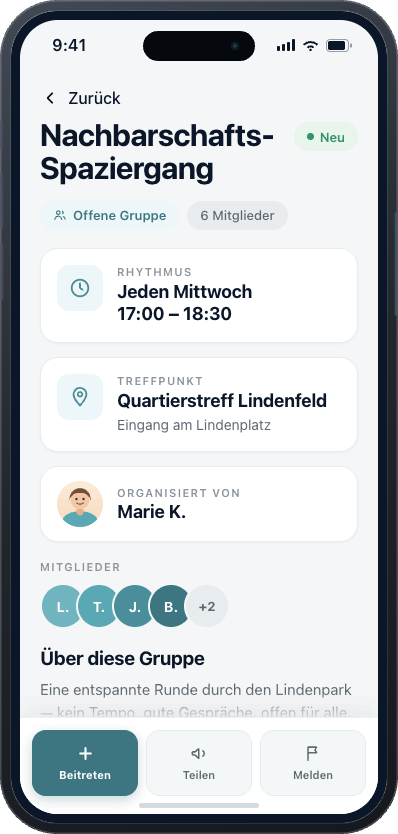
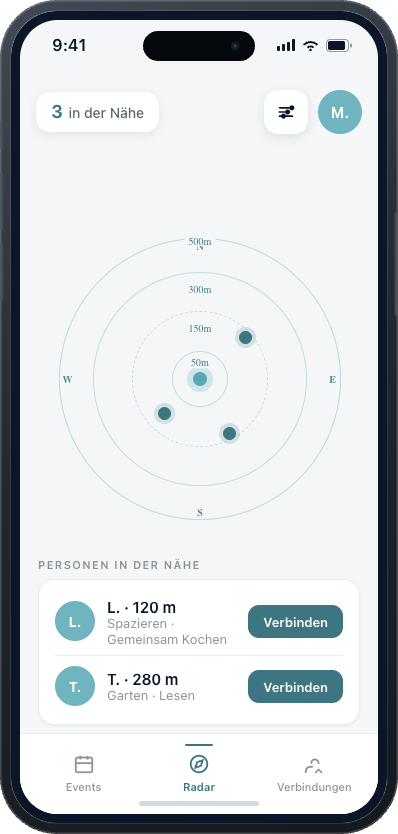
Residents see what is genuinely reachable nearby. They can drop by events, join groups or meet directly with people around them. Close stays calm, ad free and focused on real-life encounter.
open meetups, walks, one-off offers
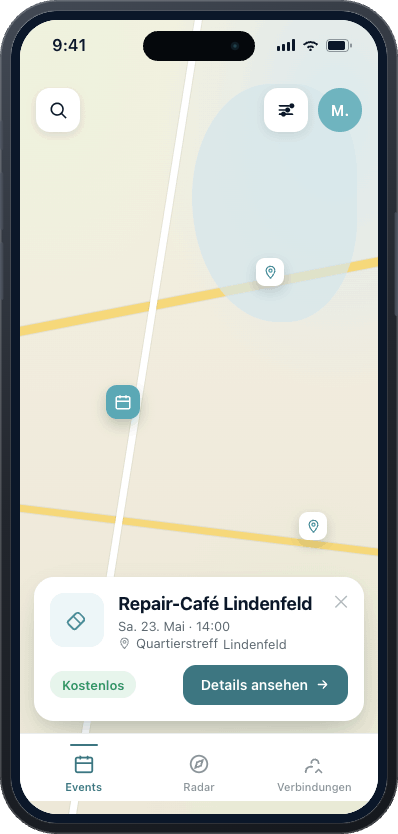
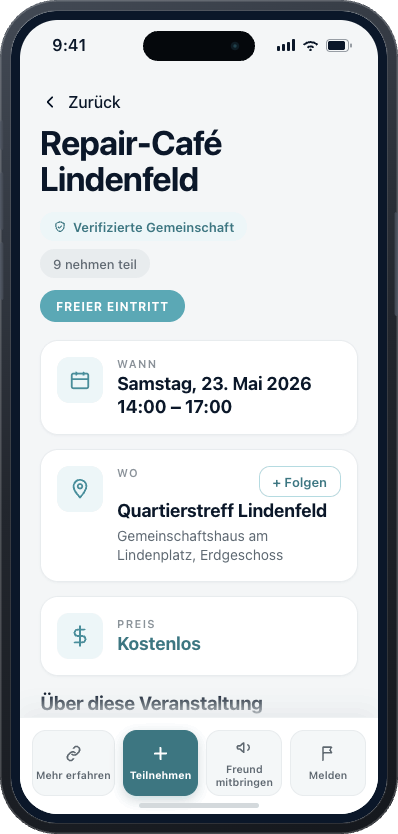
recurring, without membership
spontaneous one-to-one encounters
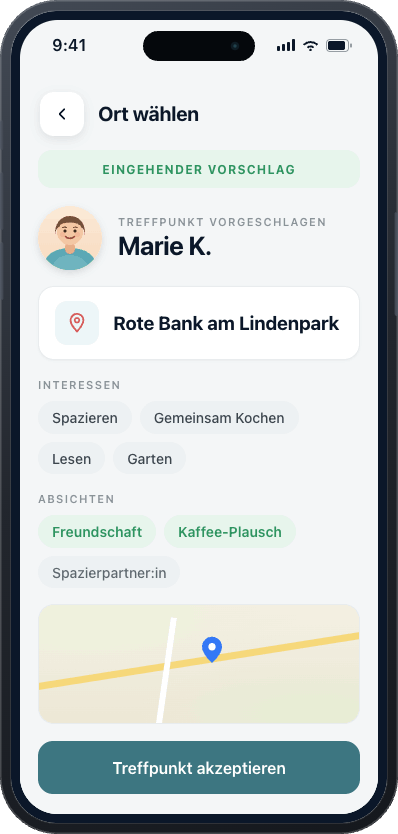
The app should not capture attention. It should lower a threshold: from “I do not know where to go” to “I can try this.”

Events, meeting points and support offers are spread across flyers, websites, social media and personal networks.
People need simple entry points at the right moment, not yet another information page.
Responsible teams often see too late which formats are used and where activation is missing.
Close brings things together. Local possibilities become easier to find. Responsible partners see aggregated signals of where participation emerges and where support is missing.
For municipalities, housing providers and social organisations
Organisations get a shared working basis: which offers are visible, which partners are active, where recurring formats emerge. Signals remain aggregated and support steering, not monitoring individual people.
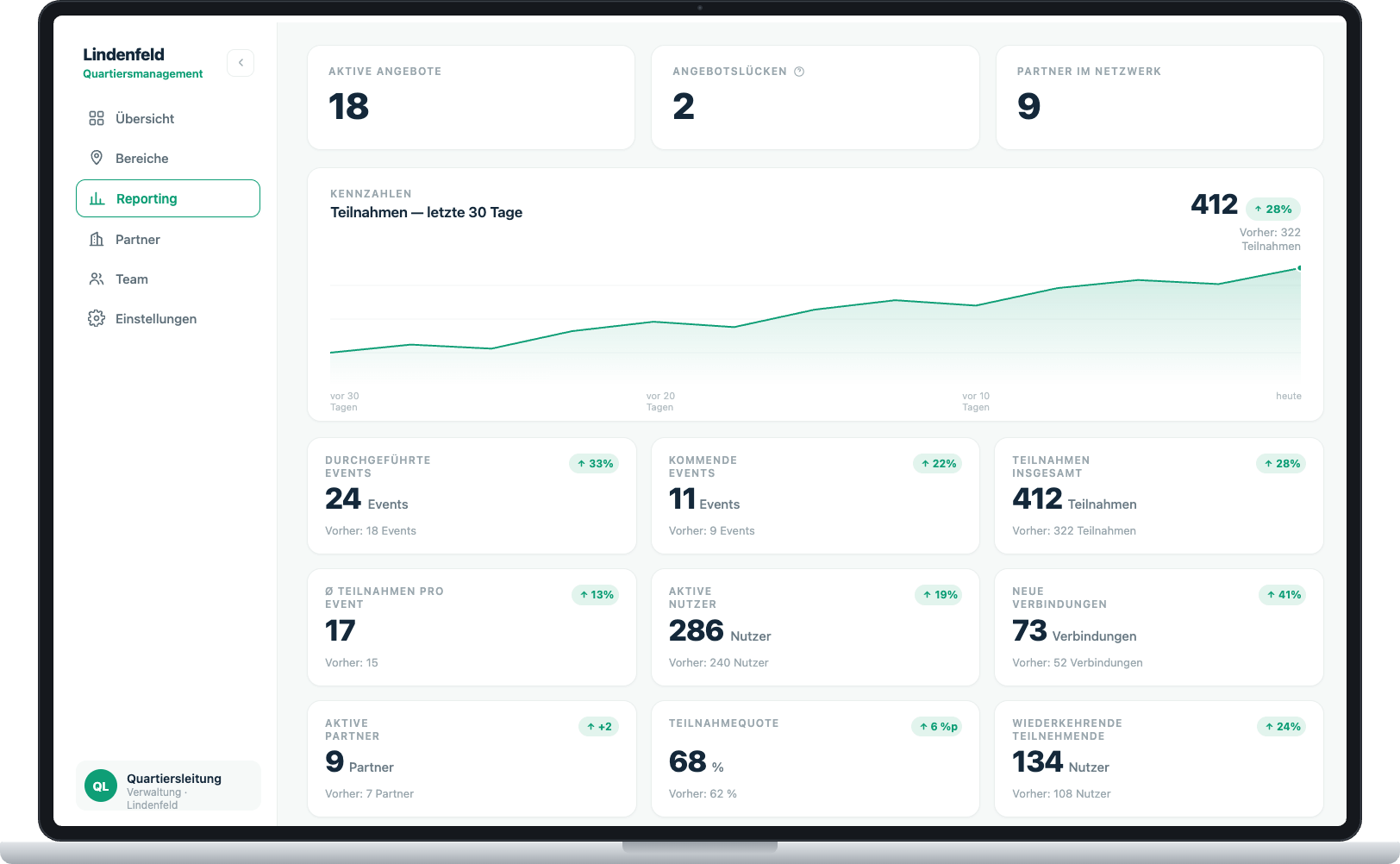
Close makes visible what works in a neighbourhood without making individual people visible.
Social connection is not created by motivation alone, but by reachable places, visible offers and safe first steps. Close makes this infrastructure more usable in the neighbourhood.
Public Health
Social isolation and loneliness are internationally described as relevant health and participation issues.
Research
Meta-analyses show that social connection is a measurable protective factor for health and quality of life.
Germany
Loneliness affects different age groups and is a task for local infrastructure.
Close is designed as social infrastructure. The platform is public interest oriented, ad free and data minimal. The goal is not maximum screen time, but real local connection in everyday life.
Close serves a social purpose, not the sale of attention.
No advertising logic and no commercial exploitation of social relationships.
Reporting provides aggregated signals, not individual surveillance.
No dating app. No advertising platform. No attention-driven network.
Pilot
Close is currently being built with a municipal partner in a new residential quarter of around 600 households. We invite additional founding partners who want to learn together how local participation can become visible, usable and responsibly measurable.
Pilots are typically funded by providers, municipalities or grant programmes. In the first conversation we clarify which frame fits your neighbourhood.
Enough time for onboarding, activation and meaningful participation signals.
A clear local focus instead of a broad rollout without a learning curve.
Organisations, meeting places and recurring formats are onboarded deliberately.
Activity, reach and signals are reviewed together on a regular basis.
Get Involved & Donate
Close is public-interest oriented and ad-free. You can support our vision of connected neighbourhoods in several ways — with your time, your network, or a donation.
We are looking for dedicated individuals to support us with their time and expertise. Help bring Close to life in local communities.
Areas needed:
Do you know municipalities, housing providers, social organisations or foundations that could benefit from Close? Introduce us.
Ideal partners:
Donations directly fund the development and operation of our public-benefit infrastructure for community connection.
Account Holder
Stichting Close Foundation Against Social Loneliness
IBAN
In a first conversation we clarify area, partner structure, existing offers and a realistic pilot frame.
Request pilot